Build Better Roads
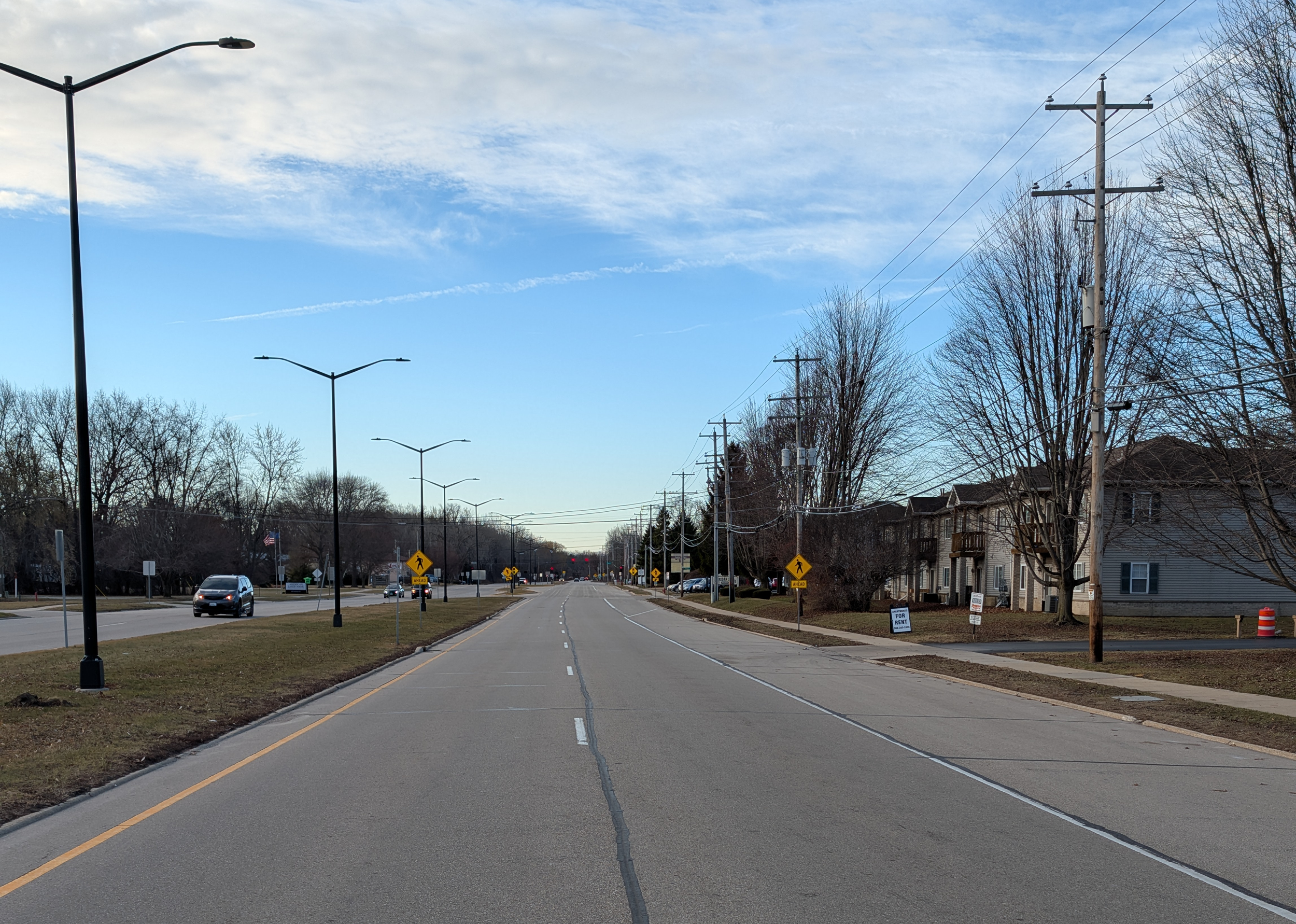
Cities that grow are often distinguished by a key factor: local governments choosing to improve on past practices rather than simply repeat them.
How we build our streets and roads is one of those choices.
America has been building city streets that are cheap and designed to fall apart since the great depression. If it takes 30 years to fully replace a street, then streets should last 30+ years. There are many options to consider for how we can build better roads, but I think most of us can agree that the system we have now is not working.
Singapore, Switzerland, and the Netherlands lead globally in road quality, utilizing advanced, tech-driven, and proactive maintenance to ensure durability. Countries like France enhance longevity through High Modulus Asphalt (HMA) and "strong base" engineering, while Germany utilizes specialized, dense compaction methods for durable infrastructure.
Top Countries for Long-Lasting Road Infrastructure
Singapore: Ranks highest with a top-tier Road Quality Index 6.45, using smart management to prevent degradation.
Switzerland: Known for exceptionally durable, clean, and safe roads, driven by a forward-thinking, high-investment infrastructure strategy.
Netherlands: Focuses on high-quality, sustainable materials and engineering for its dense network, scoring very high on road quality.
Germany: Utilizes high-quality, dense, and multi-layered paving techniques that prevent rutting and cracking, particularly on the Autobahn.
Japan: Features an advanced, rapidly repaired, and well-maintained road network.
France: Uses EME2 (high-modulus asphalt) technology to build extremely durable roads.
Key Factors in Building Long-Lasting Roads
Material Innovation: Use of Polymer-modified asphalt and High Modulus Asphalt (HMA) to increase resistance to rutting and cracks.
"Strong Base" Construction: Designing roads with deeper, stronger foundations to handle heavy loads..
Preventive Maintenance: Routine inspection and rapid repair strategies (e.g., in Germany and Japan) ensure that small issues do not become major, long-lasting damage.
Data-Driven Management: Using AI and smart technology for real-time traffic, load management, and infrastructure monitoring.